


What Is Grattage? My Hands-On Watchmaking Experience with TAG Heuer
Discover the traditional watch finishing technique used in Swiss watchmaking and why it gave me a whole new appreciation for luxury watches

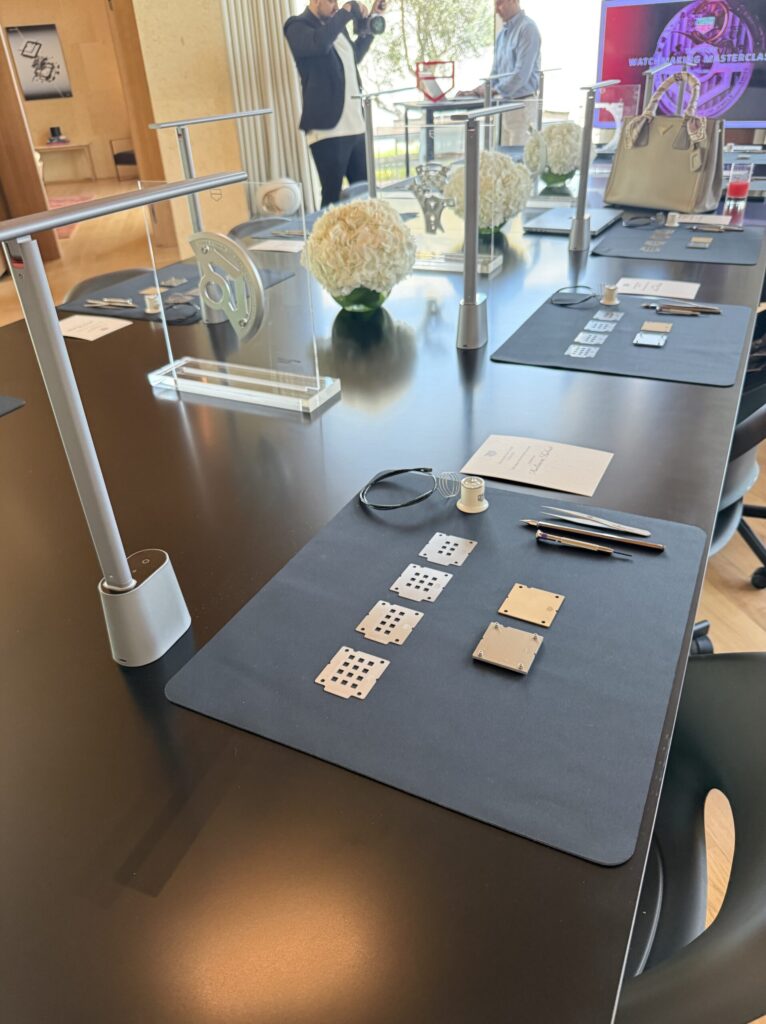
When we admire a luxury watch, our attention is usually drawn to the dial, the movement, or the overall design. But behind every exceptional timepiece lies something much less visible: hours of meticulous hand-finishing carried out by skilled artisans.
Recently, I had the opportunity to experience one of these traditional techniques firsthand during a watchmaking masterclass with TAG Heuer. The technique is called grattage, and while I had heard about it before, I never truly appreciated the level of craftsmanship involved until I tried it myself.
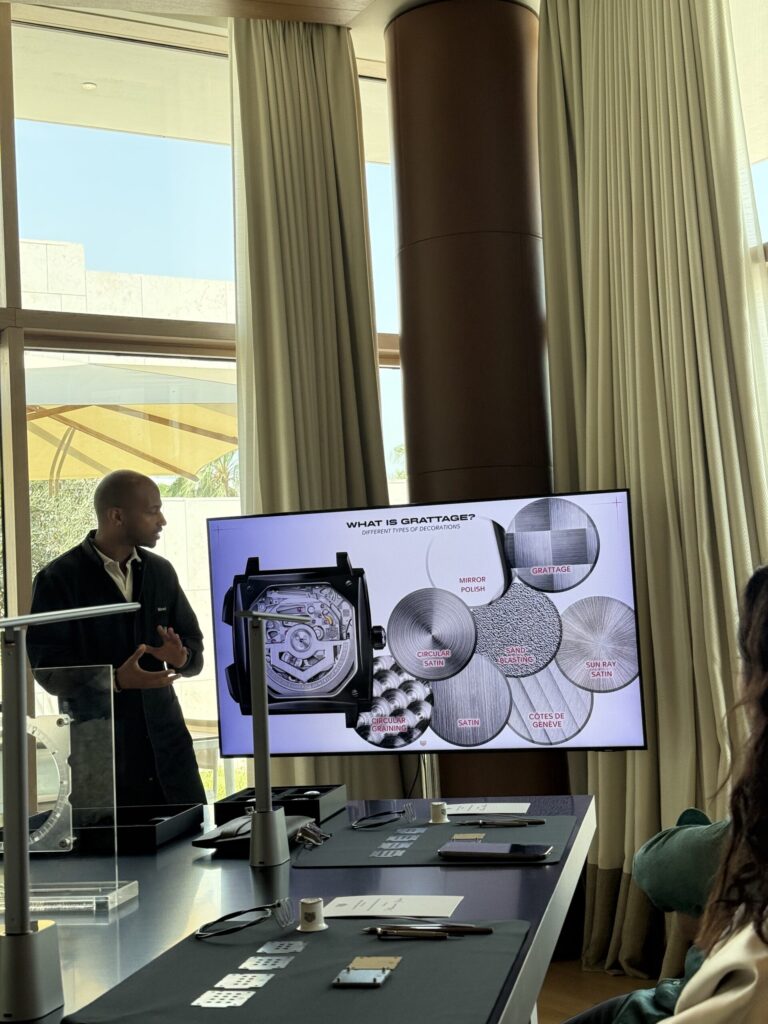
What Is Grattage?
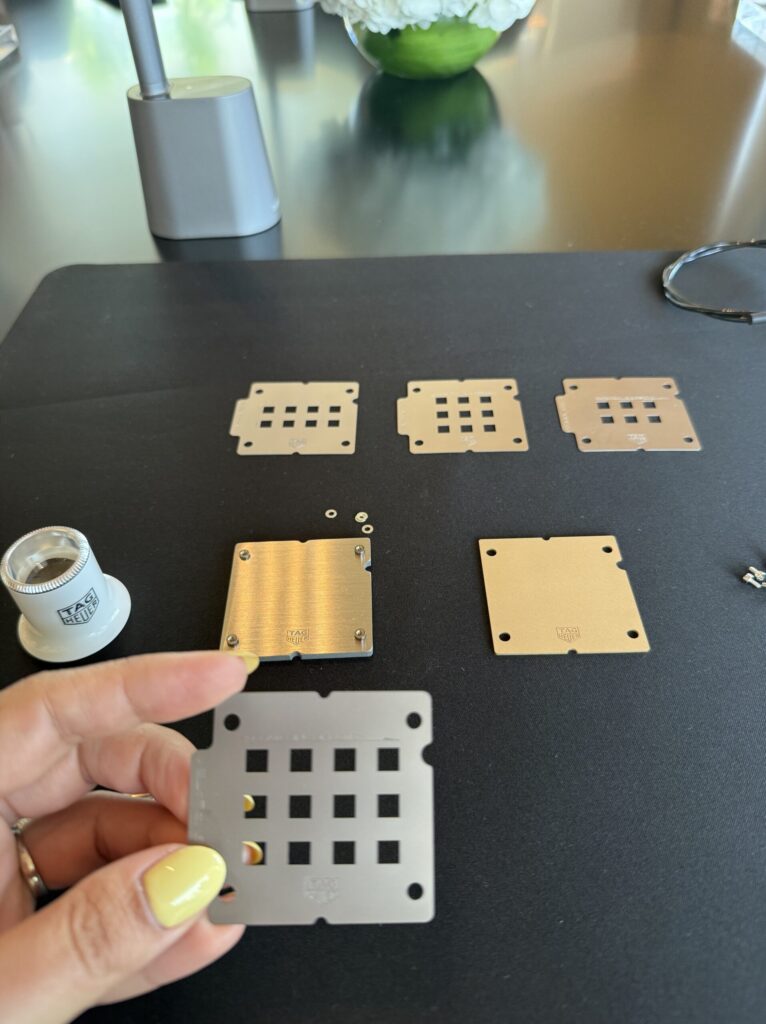
Grattage is a hand-finishing technique used to create a perfectly textured and refined surface on a watch component. Using a small hand tool, the artisan carefully removes tiny amounts of material, one stroke at a time, until the desired finish is achieved.
There are no shortcuts.
Every movement has to be controlled, every angle considered, and every stroke needs to be consistent. It is a process that demands patience, precision, and complete focus.
Watching a master perform grattage makes it look effortless. Trying it yourself is a completely different story.
My First Attempt
As I sat down at the workbench, I quickly realised this wasn’t simply about technique; it was about discipline.
Each movement had to be slow and deliberate. There was no room for rushing or correcting mistakes later. Even maintaining the same pressure throughout the process required concentration.
What surprised me most wasn’t how difficult it was, but how calming it became. For those moments, everything else disappeared. It was just me, the tool, and the tiny metal surface I was working on.
When I finally completed my own piece, I felt an enormous sense of satisfaction. The result wasn’t perfect, nor was I expecting it to be, but knowing how much care went into creating even a small finished surface gave me a completely new appreciation for watchmaking.
Looking Beyond the Watch
Experiences like this remind us why mechanical watches continue to fascinate collectors around the world.
A luxury watch isn’t valuable simply because of the materials it uses or the name on the dial. Its true value comes from the countless hours of human skill, dedication, and craftsmanship invested in every single detail, many of which will never even be seen by the owner.
Trying grattage gave me a glimpse into that world.
The next time I look at a beautifully finished movement or admire the details of a watch, I’ll know there’s a story behind every surface, every edge, and every polished component.
Sometimes, understanding the craftsmanship behind a watch makes you appreciate it even more than wearing it.
A big thank you to TAG Heuer for the opportunity to experience this remarkable craft firsthand. It’s a reminder that behind every great watch is not only engineering, but also the patience, passion, and artistry of the people who make it.


No Comments
Sorry, the comment form is closed at this time.